Clinical Program
Are you a veteran experiencing homelessness & addiction?
We do not charge rent nor any program fees for participants. We welcome eligible veterans from anywhere in the country who are seeking help. Clients also retain their Supplemental Nutrition Assistance Program (SNAP) benefits while participating in our program.
A proven path to recovery
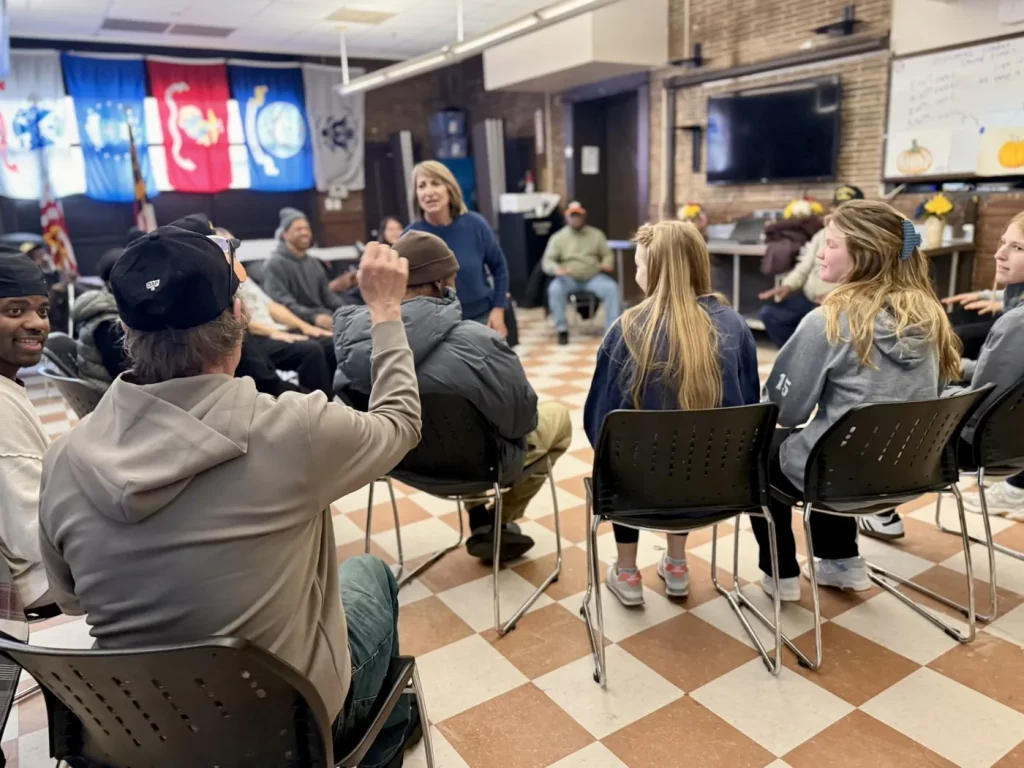
The Baltimore Station is a licensed, CARF-accredited residential treatment program for homeless men and the largest VA-funded program of its kind in the region. Through evidence-based, client-centered care, we provide counseling and support to help clients achieve housing, income, and a substance-free life. Program Participants Receive:
- Case Management
- Relapse Prevention
- Cognitive Behavioral Groups
- Grieving and Loss Counseling
- Psychotherapy
- Peer Facilitative Groups
 Person Centered
✓ Substance-free
Progress
Person Centered
✓ Substance-free
Progress
Alternative therapies
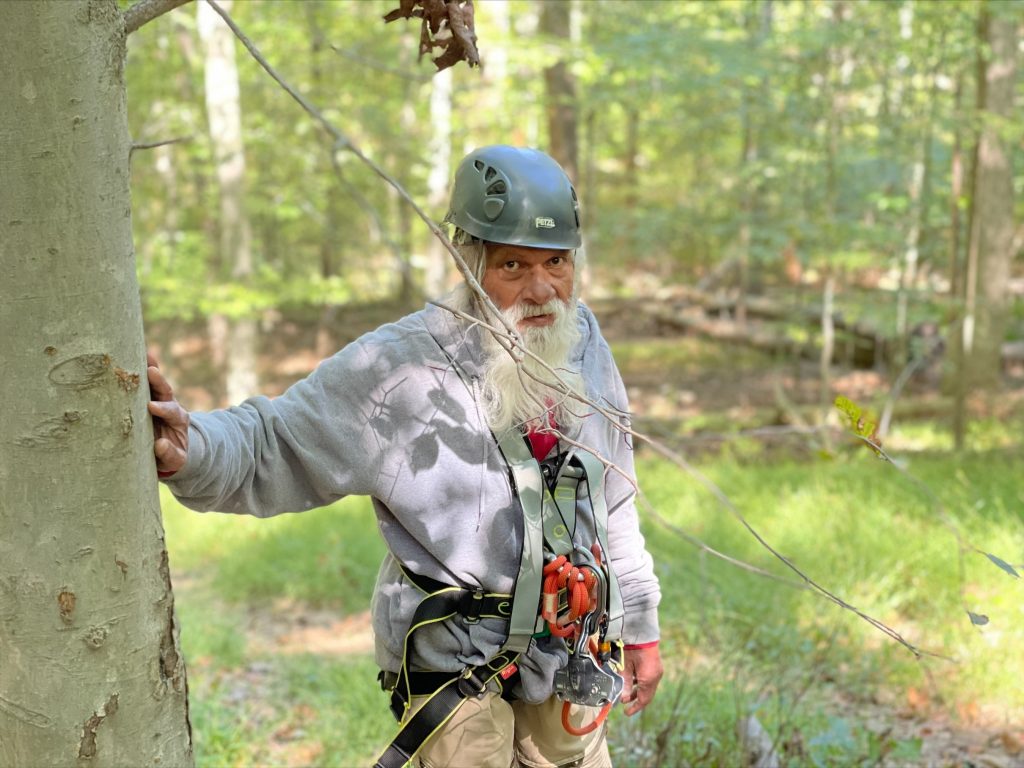
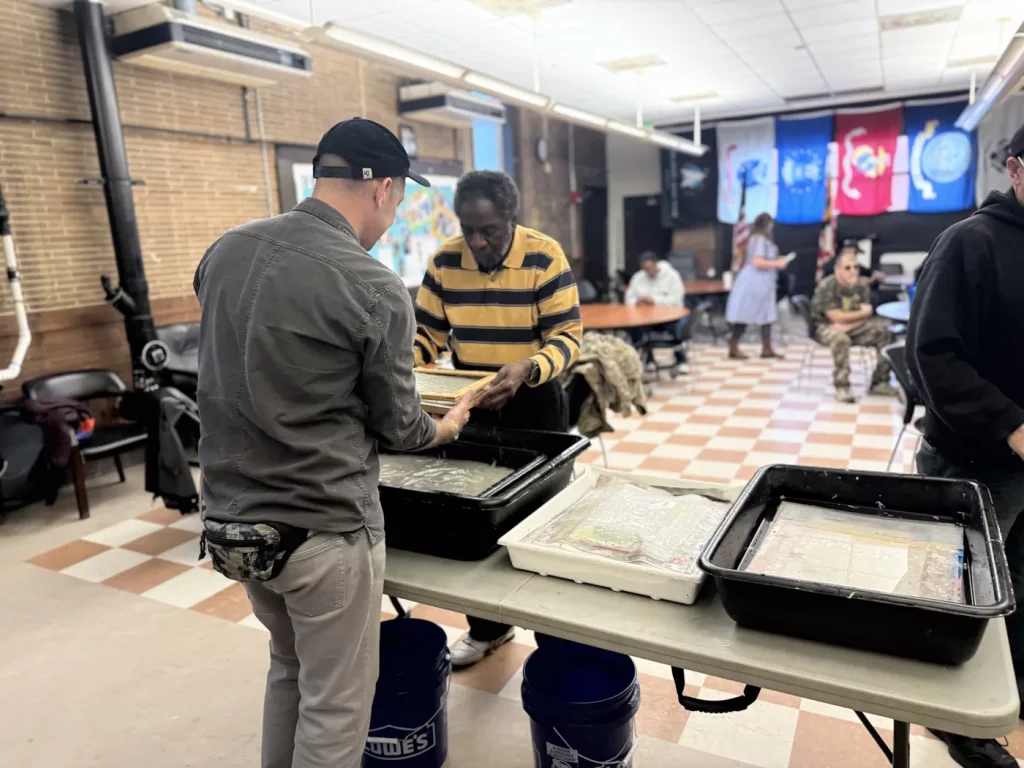
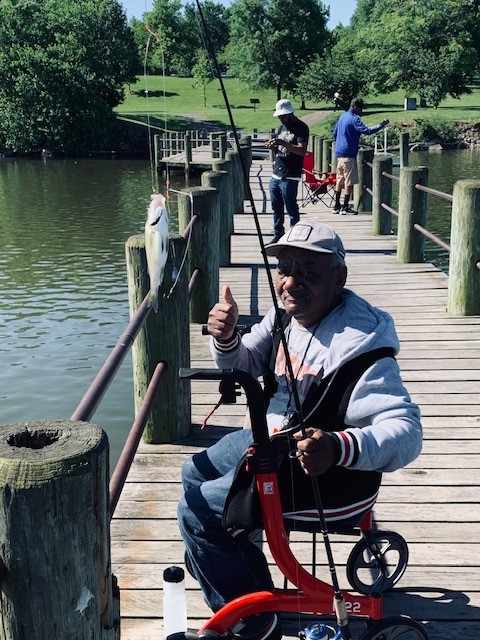
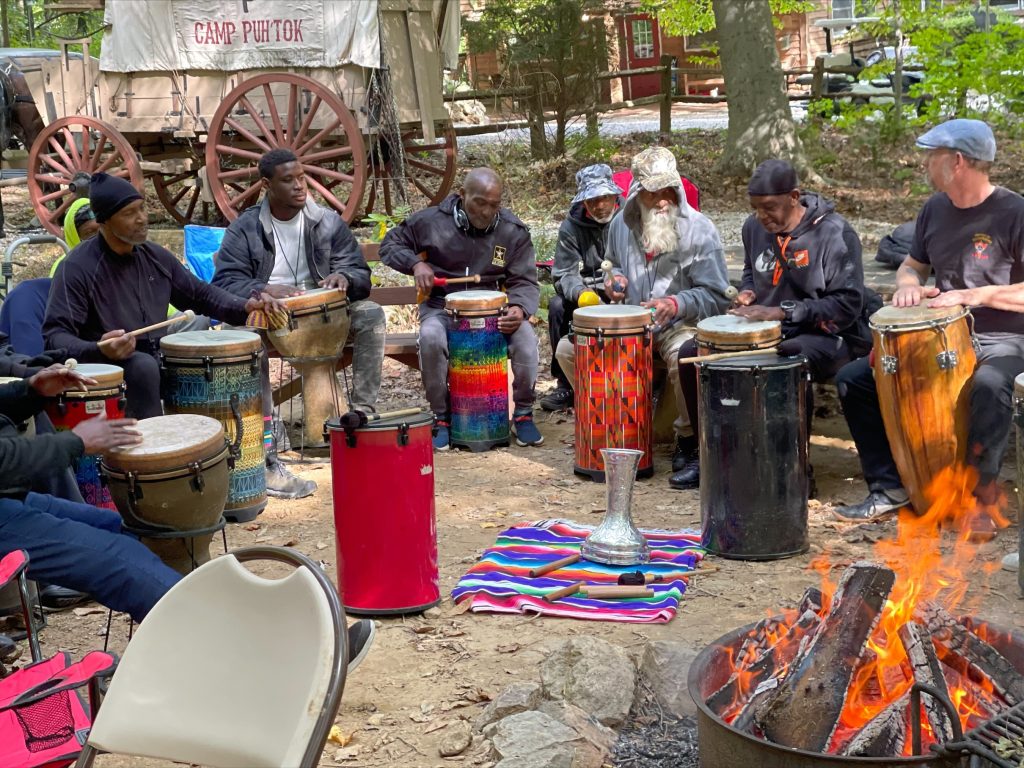
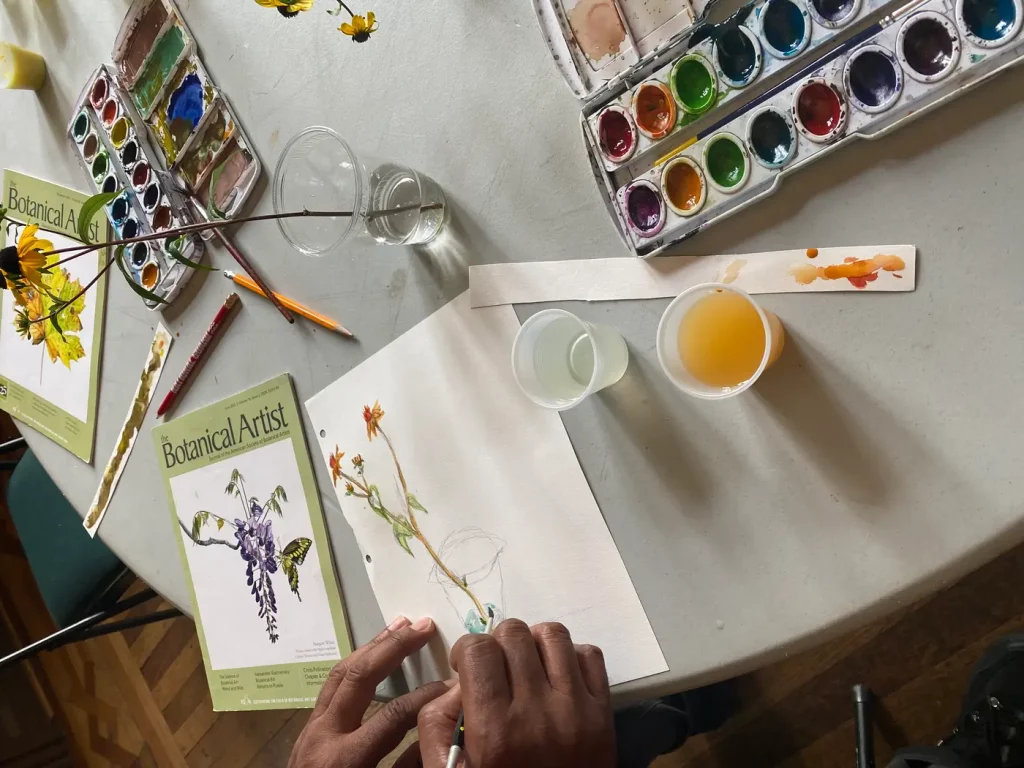
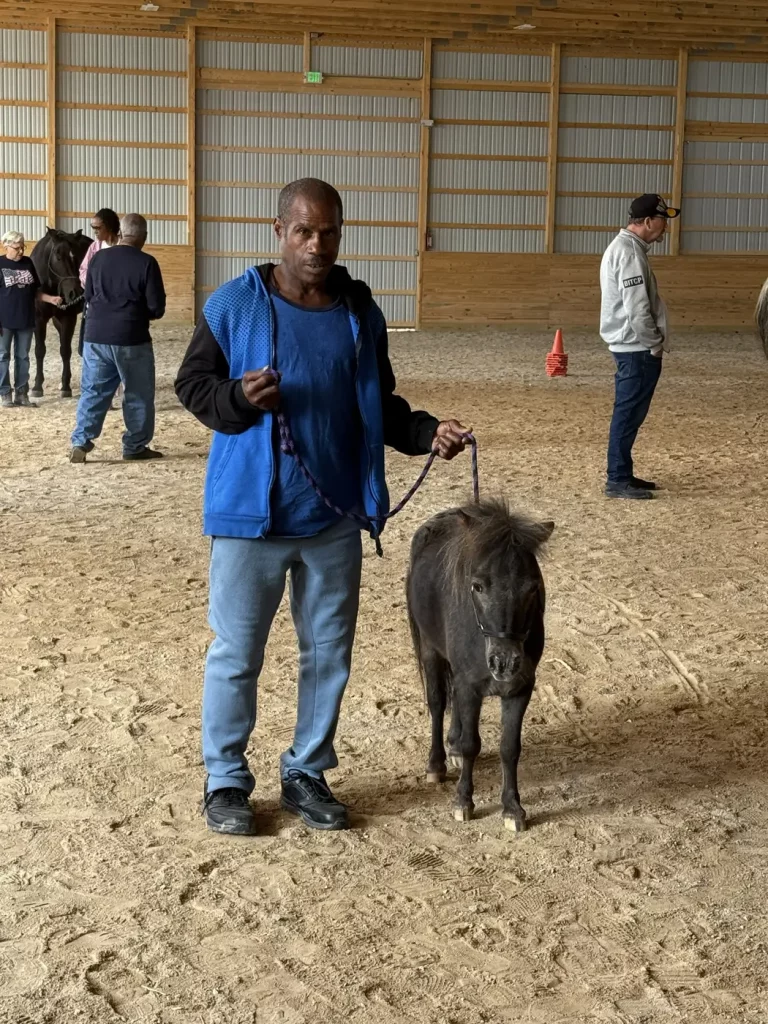
The Baltimore Station enhances treatment with creative therapies, physical activities, and educational experiences that support mental health and long-term engagement. These evidence-based approaches build transferable skills, helping clients replace negative behaviors with positive, healthy habits as they transition back into the community.
- Certified Music Therapy
- Art Therapy
- History/Journaling
- Drama/Improv Class
- Spoken Word/Story Telling
- Physical Fitness
- Mindfulness/Meditation
- Chiropractic Services
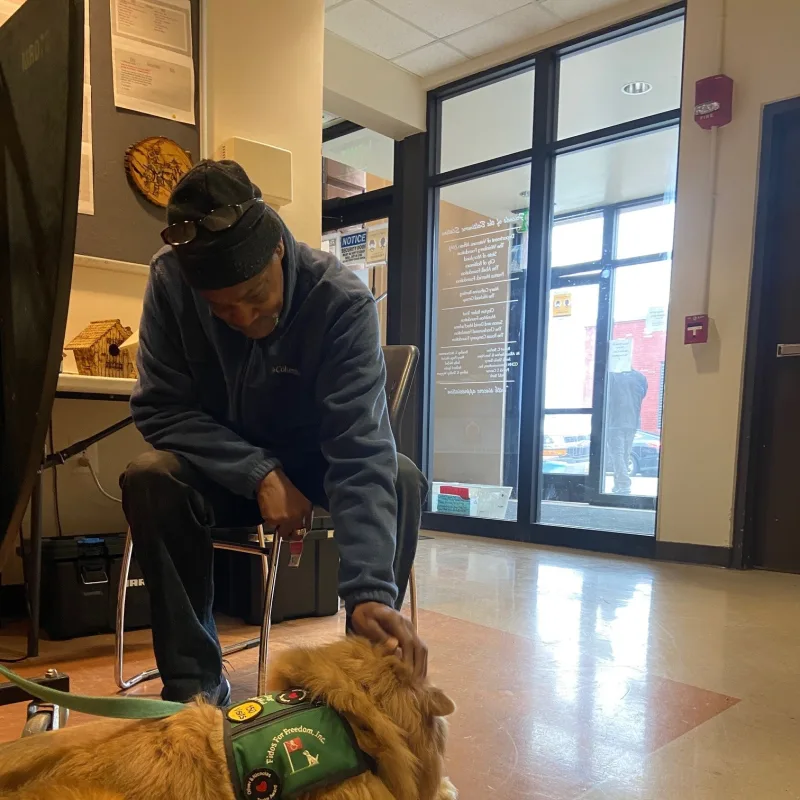
- K9 Therapy
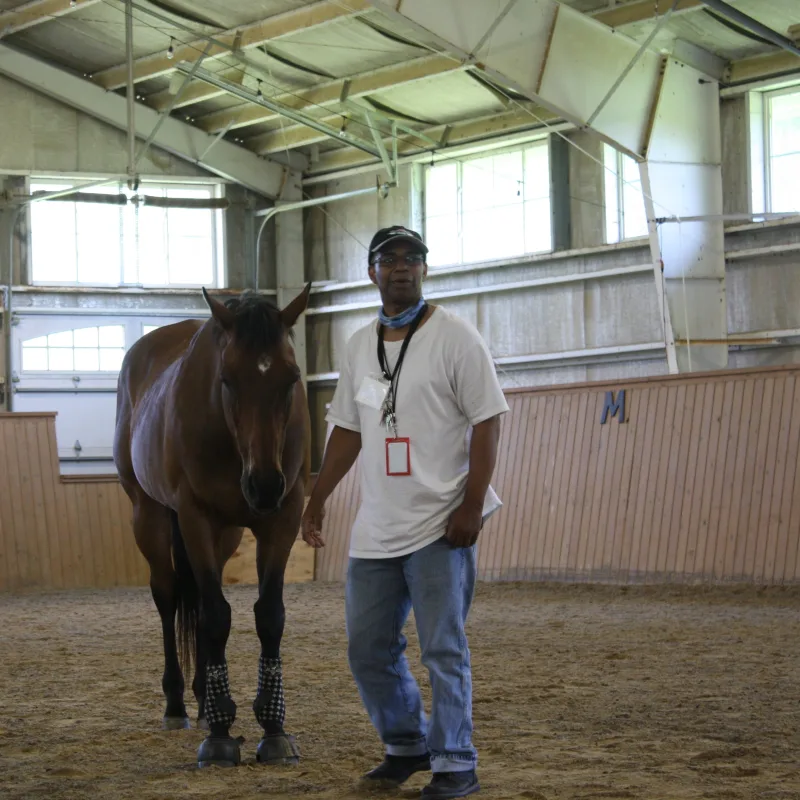
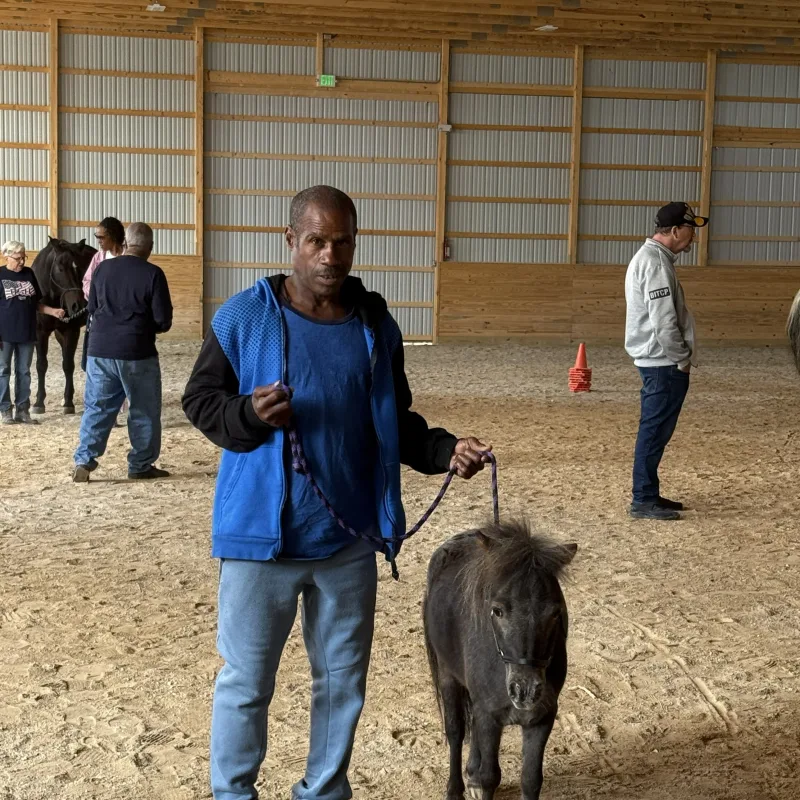
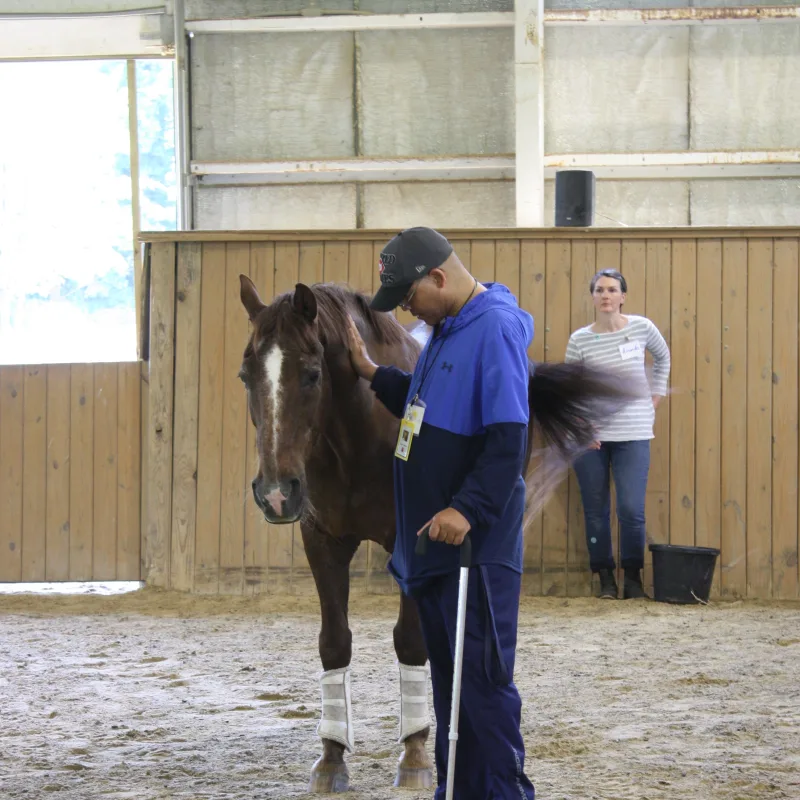
- Equine Therapy
- Piscatorial Therapy
- Experiential Therapy
- Educational Fieldtrips
Vocational / life skills
The Baltimore Station provides "life skills" sessions that teach our men new experiences and hobbies that are transferable — that is, the skills they learn can be used as new coping skills, and/or can be substitute behaviors for drug and alcohol use. These sessions vary over the year, but include:
- Resume Building
- Financial Literacy
- Cooking
- Health/Diabetes Classes
- Hygiene
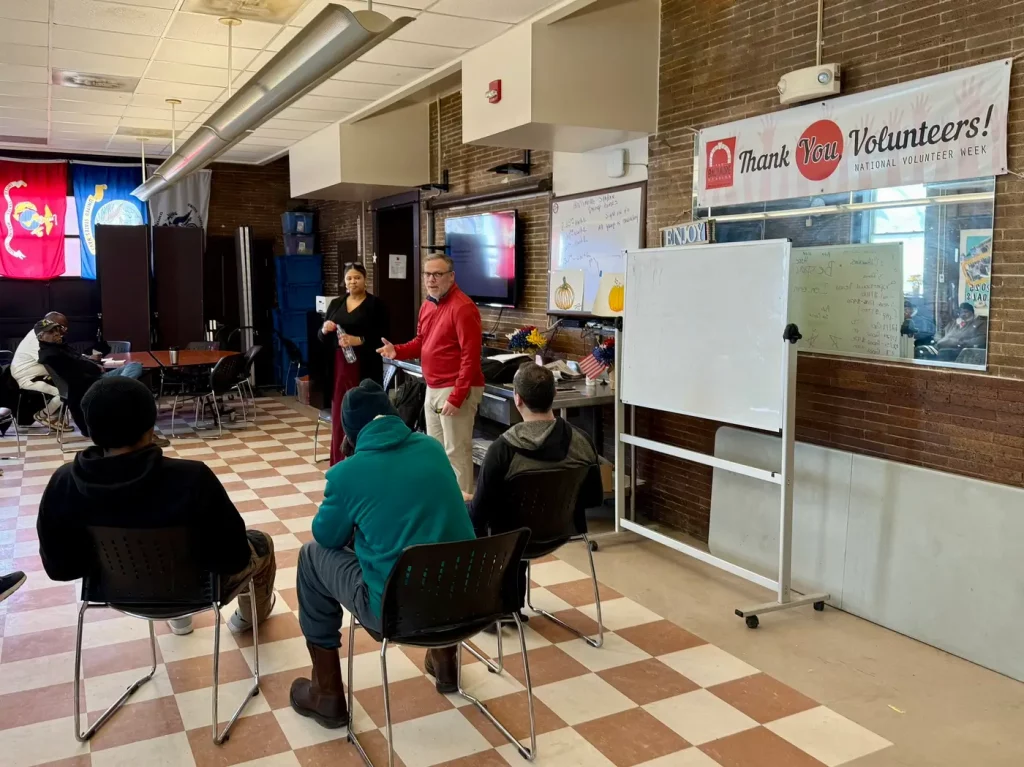 Learn. Grow. Thrive.
Connective services
Upon entry, we assess each client's work history, income, skills, and interests, then connect them with services through our trusted community partners.
Real stories, real change
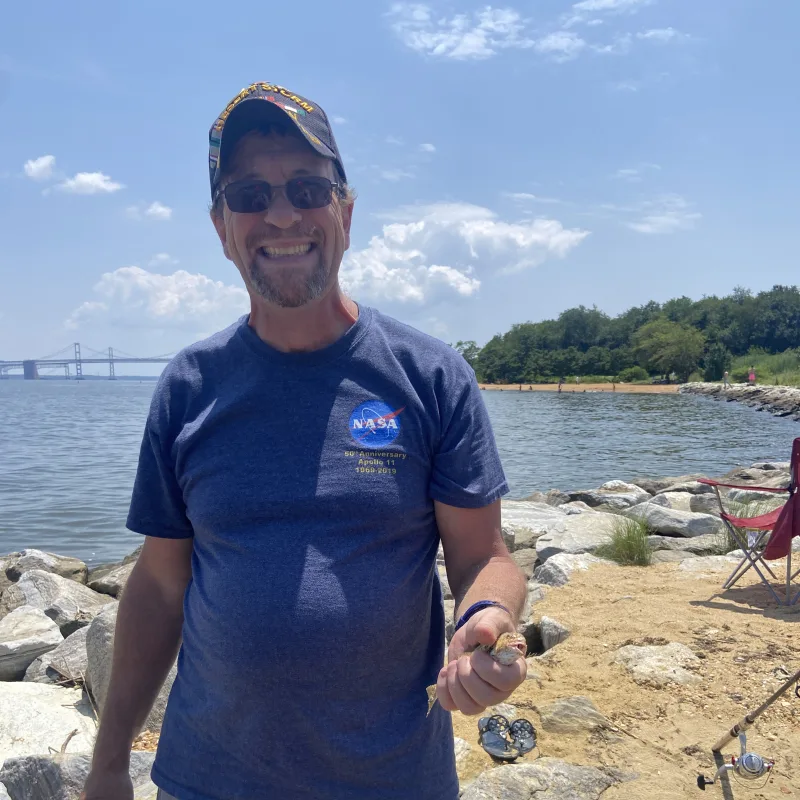
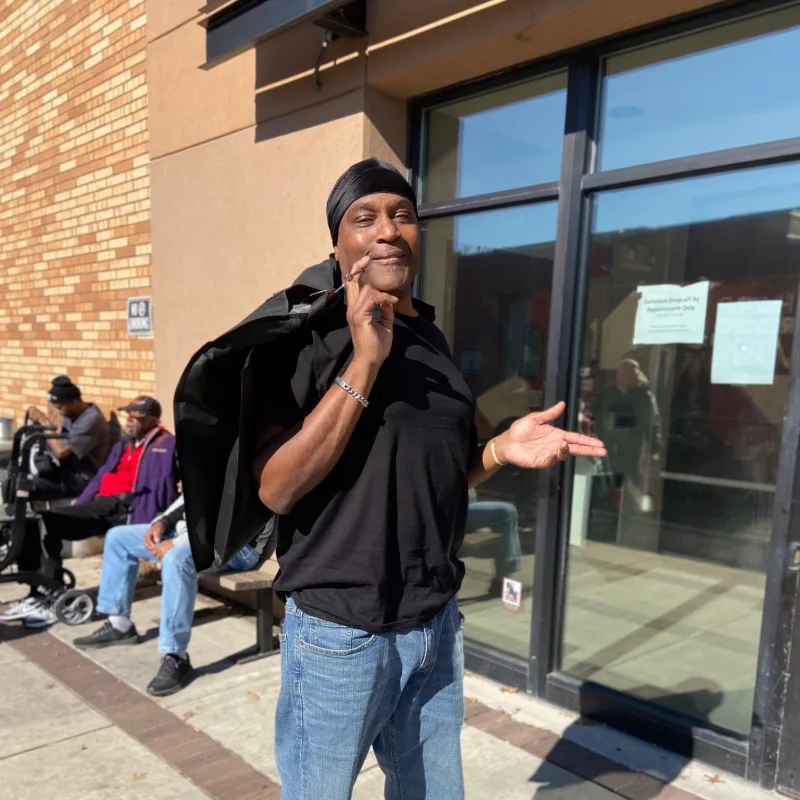
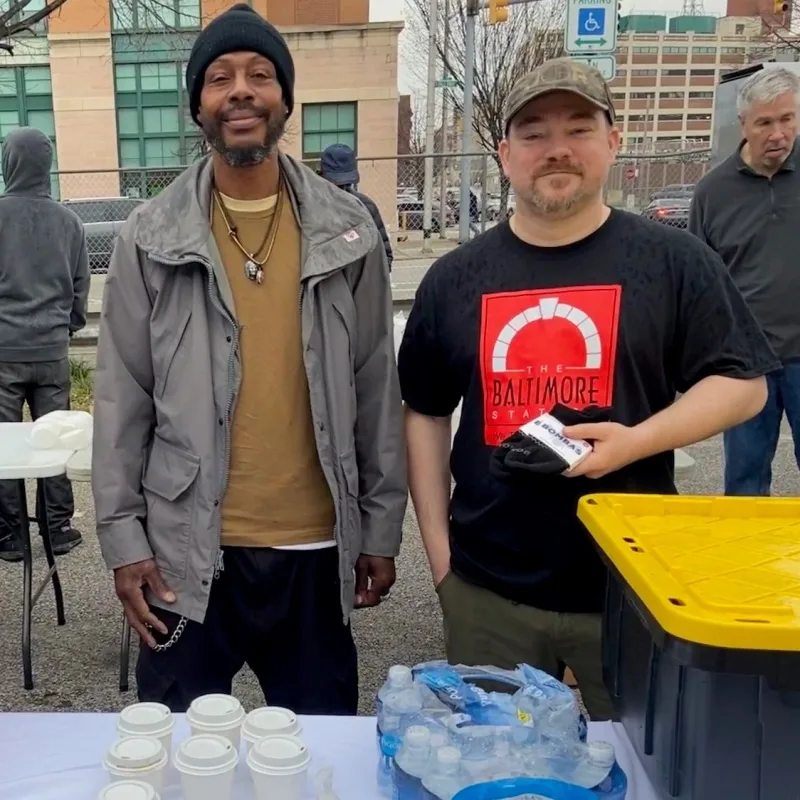
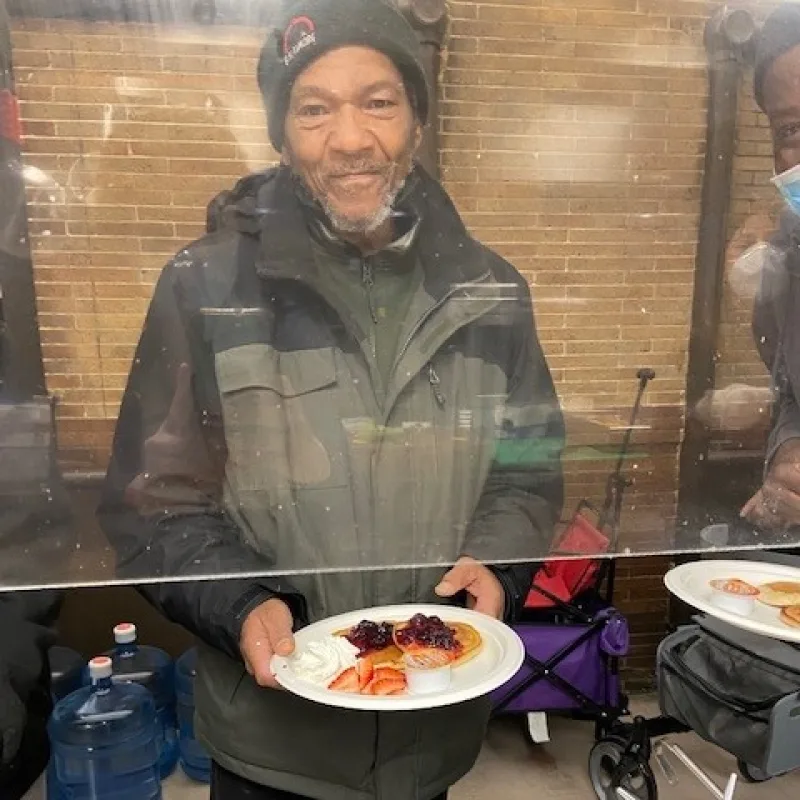
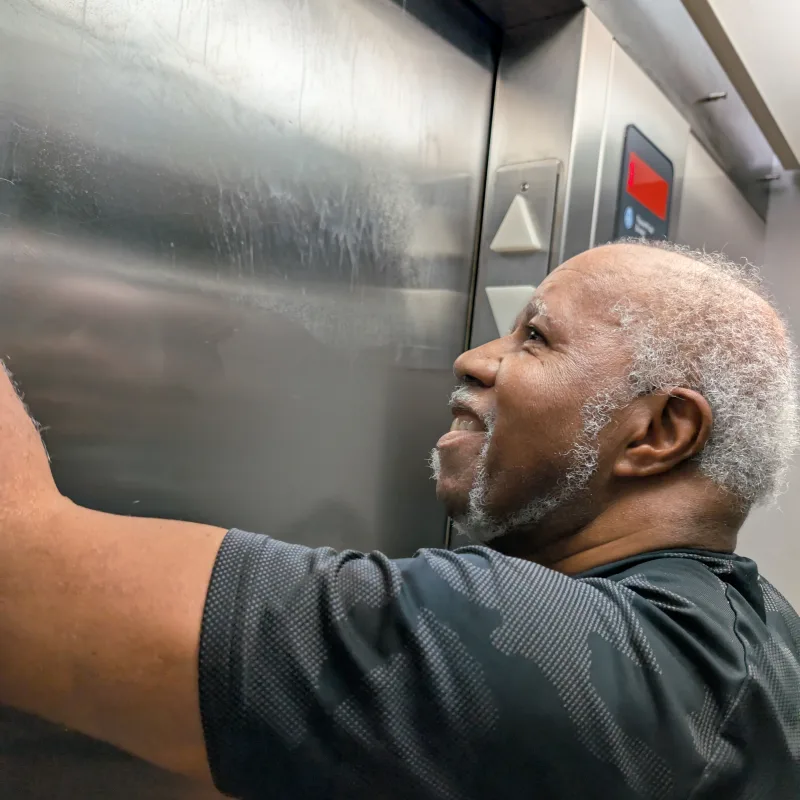
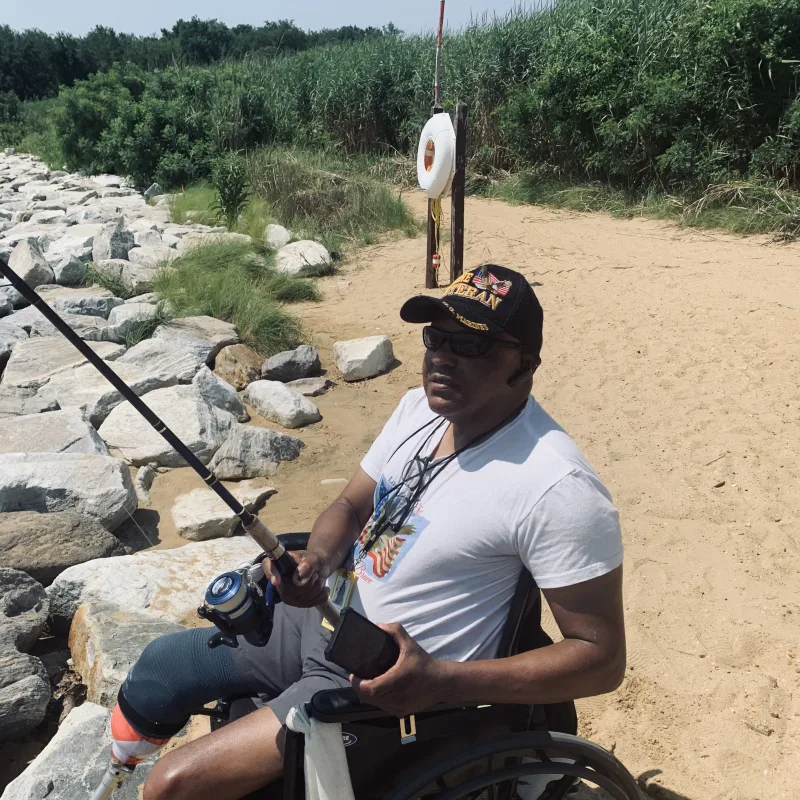
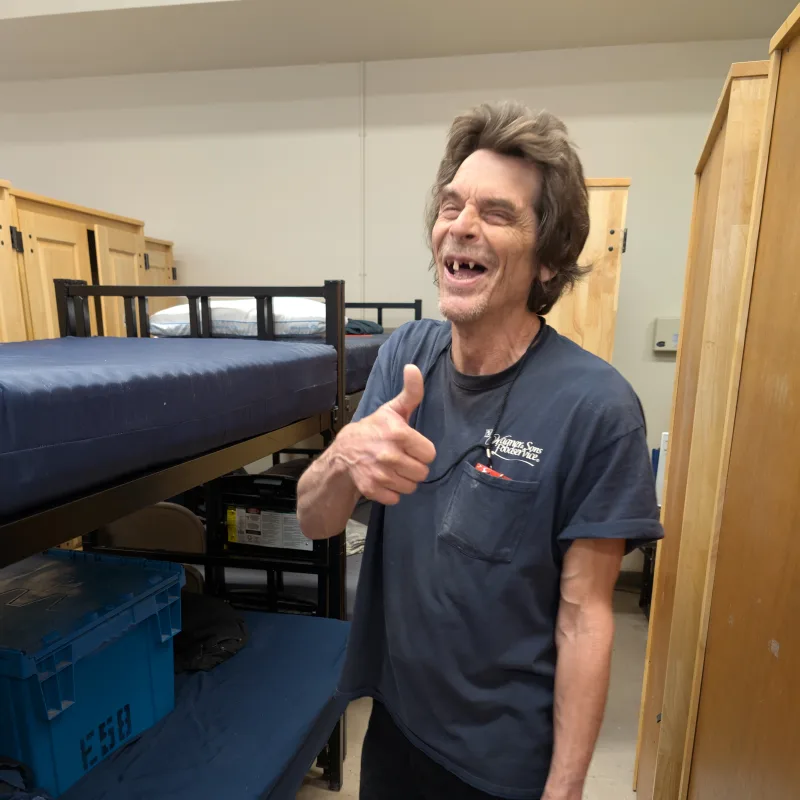
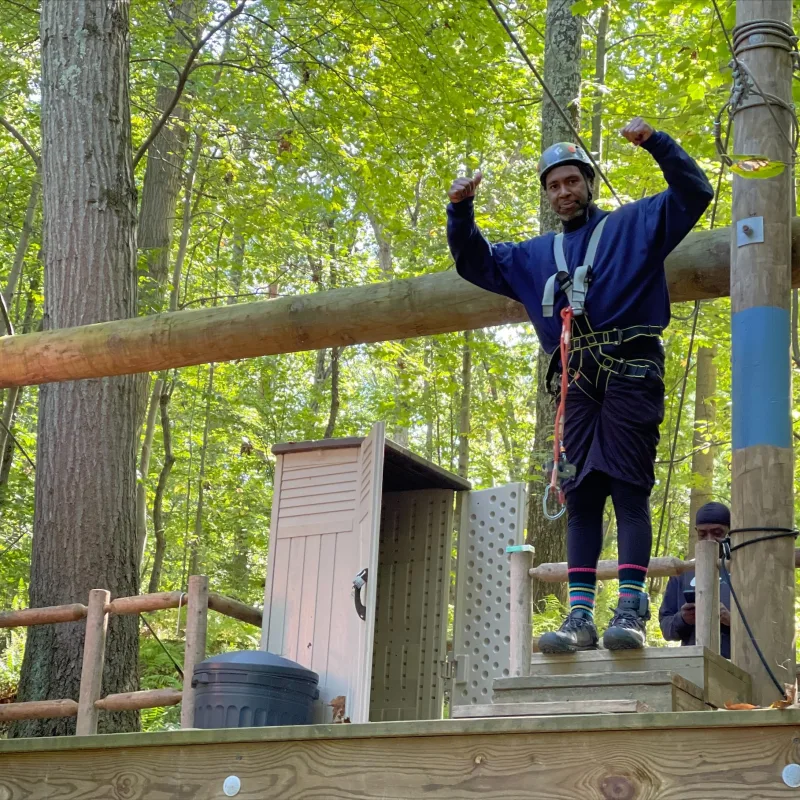
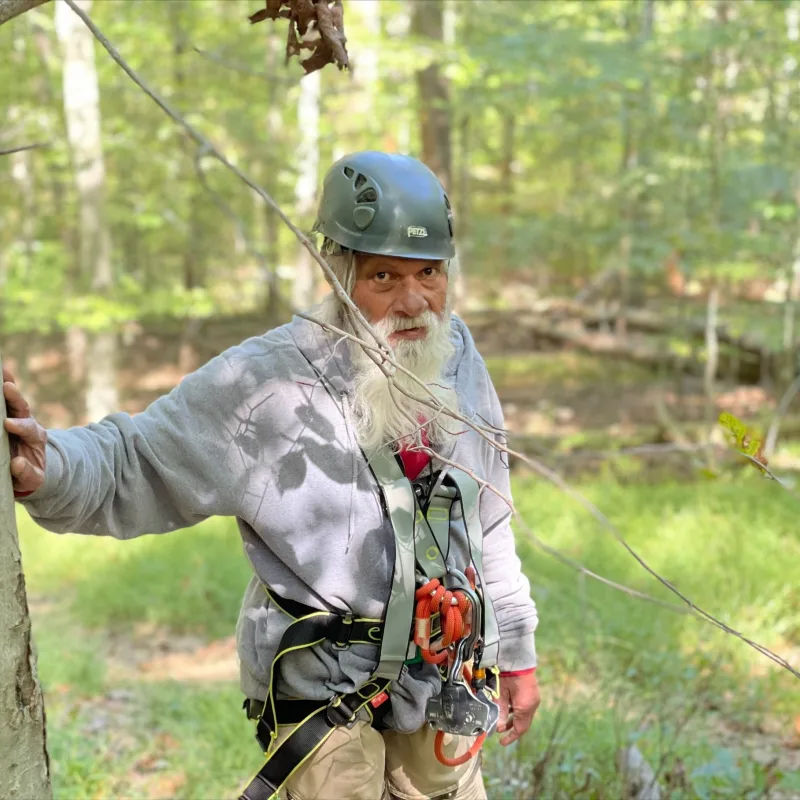
I feel fortunate to be here and have the resources to turn things around for the better.
The staff and volunteers here are amazing. They made me feel supported when I needed it the most.
The best place to start a new beginning is at The Baltimore Station.
I’m about to move into my own apartment thanks to The Baltimore Station and the opportunity they gave me.
This is a reset in life. When you have shortcomings in your personality or abilities, The Baltimore Station gives you a new lease on life.
I was really nervous to come here at first but I’m glad I did. The other men helped to show me around and it’s just nice to have order again. And a hot meal.
I know that if I put in the work while I’m here, I’m going to be successful.
I wasn’t sure what to expect walking in, but I made the right decision. This place is wonderful.
Nice place to regroup and get going in the right direction.
I’m grateful for all of the love and support we get here every day. It’s not like that anywhere else I’ve been.
The Baltimore Station gave me exactly what I needed at a time I needed it the most.
I like the staff, I like the volunteers, I like the feeling of community around me.
The Baltimore Station is what you make of it. An excellent place filled with tools for you to get things done, if you use it. It’s up to you though.
Clinical program FAQs
What services does The Baltimore Station provide for homeless veterans?
The Baltimore Station provides comprehensive residential treatment, transitional housing and supportive services for veterans experiencing homelessness. Our programs include transitional housing, evidence-based clinical treatment, substance use recovery, mental health support, case management, workforce development, financial literacy, and housing placement services. Our goal is to help veterans achieve lasting recovery, stable housing, meaningful employment, and long-term independence.
Who is eligible for The Baltimore Station's residential treatment program?
Our Clinical Program serves adult veterans experiencing homelessness who are seeking recovery from substance use disorders and are committed to participating in a structured therapeutic community. Each referral is reviewed individually to determine eligibility and ensure the program is the right fit for the veteran’s needs.
Do you serve women veterans?
At this time, The Baltimore Station serves male veterans experiencing homelessness. However, we are excited to expand our services by opening our new Women’s Transitional Housing Program on October 1st 2026. This program will provide safe, supportive housing for women veterans experiencing homelessness, with private bedrooms and bathrooms, shared living spaces, and access to the same comprehensive clinical, recovery, and workforce development services that have helped our male veterans rebuild their lives for more than 37 years.
Is The Baltimore Station only for veterans experiencing homelessness?
Yes. The Baltimore Station serves veterans who are experiencing homelessness or housing instability and need support to achieve recovery, permanent housing, and self-sufficiency. Our programs are designed to address the unique challenges veterans face while helping them build a foundation for long-term success.
How long do veterans stay in the residential program?
Every veteran’s journey is different. While the average stay in our Clinical Program is typically 13 months, participants may remain in the program for up to two years based on their individual treatment plan and progress. Research and our own experience show that longer participation often leads to better long-term outcomes and reduces the likelihood of returning to homelessness.
What types of clinical services are offered?
The Baltimore Station uses evidence-based therapeutic approaches tailored to each veteran’s individual needs. Clinical services include Cognitive Behavioral Therapy (CBT), Motivational Interviewing (MI), individual treatment planning, individual and group therapy, case management, and experiential therapeutic activities that support lasting recovery.
Does The Baltimore Station provide mental health counseling?
Yes. Mental health is an essential part of our treatment model. Veterans receive individualized support through evidence-based therapies, clinical groups, and personalized treatment plans designed to address mental health challenges while supporting recovery and overall wellness.
Does The Baltimore Station offer substance use treatment?
Yes. Our Clinical Program provides evidence-based substance use treatment within a therapeutic community. Veterans participate in structured clinical programming, recovery-focused group sessions, individualized treatment planning, and supportive services that help them achieve and maintain long-term recovery.
How do I refer a veteran to The Baltimore Station?
Veterans may be referred by VA Medical Centers, healthcare providers, social workers, community organizations, family members, or by contacting The Baltimore Station directly. Our staff will guide you through the referral process and determine the most appropriate program based on the veteran’s needs.
Is there a cost for veterans to participate?
No. There is absolutely no cost for qualified veterans to participate in our programs. Veterans are also able to retain their monthly SNAP (Supplemental Nutrition Assistance Program) benefits while enrolled.
Do veterans receive meals and housing while in the program?
Yes. Veterans receive safe residential housing, three nutritious meals each day, two daily snacks, and essential items including clothing and toiletries upon admission. Our goal is to provide a stable environment where veterans can focus on recovery and rebuilding their lives.
What happens after a veteran completes the program?
Upon entry to our program, each veteran works with our clinical team to develop a transition plan focused on maintaining recovery, securing permanent housing, sustaining employment or income, and connecting with ongoing community resources. This individualized plan is continuously reviewed throughout the veteran’s stay in our program, and once the veteran and their case manager agree that the veteran has met all his goals and objectives, the transition plan is implemented. Our goal is for every veteran to leave The Baltimore Station prepared for long-term independence.
Does The Baltimore Station help veterans find permanent housing?
Yes. Helping veterans secure permanent housing is a core part of our mission. Our staff works closely with each veteran to develop an individualized housing plan and connects them with community resources, housing providers, and VA programs such as HUD-VASH when eligible.
Start your journey today
Contact James Hardy — Outreach Coordinator for support or to learn more!
"*" indicates required fields